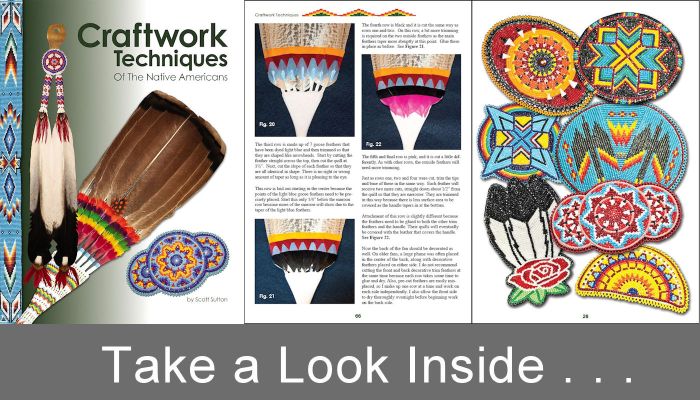
Learning Native American crafting techniques offers a profound journey into rich cultural heritage. This exploration delves into the ethical considerations of learning these traditions, emphasizing respect for Indigenous knowledge and the avoidance of cultural appropriation. We’ll examine specific techniques in basket weaving, pottery, and jewelry making, showcasing the diversity of styles across different tribes. The journey also considers the preservation of these crafts, their modern applications, and the economic impact on Native American communities.
From detailed step-by-step guides to creating traditional crafts to discussions on responsible cultural tourism and high-end travel experiences that support these communities, this exploration aims to provide a comprehensive and respectful understanding of Native American artistry.
Specific Crafting Techniques
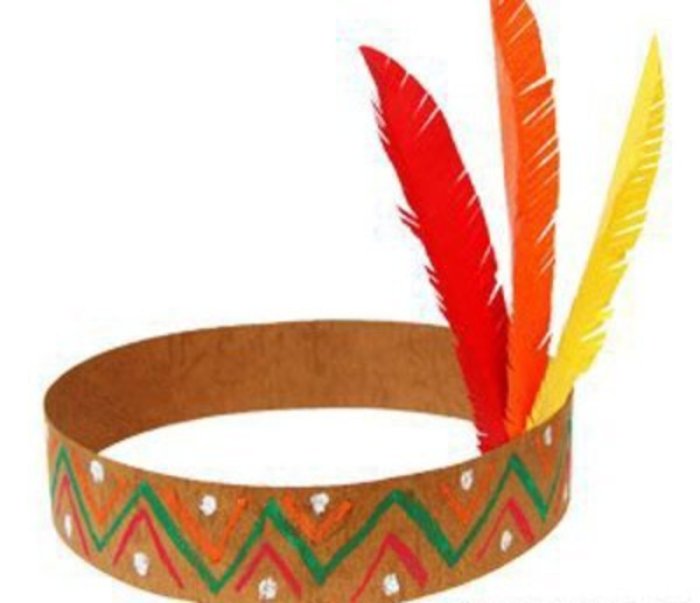
Native American jewelry is renowned for its intricate designs, rich symbolism, and the masterful use of diverse materials. The techniques employed vary significantly across different tribes, reflecting unique cultural histories and artistic traditions. This section explores the key methods used in creating these stunning pieces, focusing on beadwork, silverwork, and stonework.
Beadwork Techniques in Native American Jewelry
Beadwork forms a cornerstone of many Native American jewelry traditions. The meticulous placement and arrangement of beads create intricate patterns and designs, often carrying deep cultural or spiritual significance. Different tribes utilize various bead types, including glass beads (both Venetian and Czech), seed beads, and porcupine quills. Common stitching techniques include peyote stitch, which creates a tightly woven, durable fabric; and loom beadwork, which allows for larger, more complex designs.
The choice of stitch and bead type influences the overall texture, appearance, and durability of the finished piece. For example, intricate designs on earrings might utilize peyote stitch with tiny seed beads, while larger, bolder patterns on necklaces might incorporate loom beadwork with larger glass beads.
Silverwork in Native American Jewelry
Silverwork holds a prominent place in many Native American cultures, particularly among Southwestern tribes. Techniques include casting, stamping, repoussé (hammering from the back to create relief), and chasing (hammering from the front to refine details). The use of turquoise, coral, and other stones inlaid into silver settings is a hallmark of this style. Artisans often incorporate traditional designs and symbols, creating pieces that are both aesthetically pleasing and culturally significant.
A common example is the use of stamped designs depicting animals, geometric patterns, or sacred symbols. The skill involved in creating these pieces is evident in the precise details and the seamless integration of metal and stone.
Stonework in Native American Jewelry
Stonework plays a vital role in Native American jewelry, with various stones holding cultural and spiritual significance. The techniques involved range from simple drilling and stringing to more complex carving and polishing. Hard stones like turquoise, jet, and lapis lazuli are often carefully shaped and polished to enhance their natural beauty. Softer stones might be carved into intricate designs.
The setting of stones in silver or other metalwork requires precision and skill, ensuring that the stone is securely held and showcased to its best advantage. The selection of stones often reflects regional availability and cultural preferences; for example, turquoise is prominently featured in Southwestern jewelry, while other stones might be more common in other regions.
Creating a Pair of Native American Inspired Earrings
The design process begins with sketching potential designs. Consider incorporating traditional geometric patterns or stylized representations of natural elements like flowers or animals. For this example, let’s imagine a pair of earrings featuring a stylized sun design, incorporating turquoise and silver. Materials needed include: small turquoise cabochons, sterling silver wire, small silver beads, and earring hooks. First, the silver wire is shaped into a sunburst pattern.
Then, the turquoise cabochons are carefully attached to the center of each sunburst. Finally, small silver beads are added to accentuate the design, and the earring hooks are attached. This process requires careful attention to detail and precise craftsmanship to achieve a balanced and aesthetically pleasing result.
Comparative Tribal Styles in Jewelry Making
The materials and techniques used in Native American jewelry vary considerably across different tribes. For instance, Navajo jewelry often features intricate silverwork with turquoise inlay, while Zuni jewelry is known for its meticulous beadwork and use of shell and coral. Hopi jewelry frequently incorporates intricate designs and symbolic elements, often featuring kachina figures or geometric patterns. Each tribe’s unique artistic style reflects its cultural heritage and traditions, resulting in a diverse range of stunning jewelry pieces.
Preservation and Modern Applications of Native American Crafts
The preservation of Native American crafting techniques faces numerous challenges, ranging from the loss of traditional knowledge to the impact of globalization and changing economic realities. Understanding these challenges and exploring how these traditions are adapting is crucial for ensuring their continued existence and relevance. This section will examine the challenges of preservation, showcase contemporary applications of these crafts, and analyze their economic impact on Native communities.
Challenges in Preserving Traditional Crafting Techniques
The transmission of traditional crafting skills often relies on informal apprenticeship models passed down through generations within families and communities. The decline in these traditional family structures and the allure of modern occupations threaten the continuity of these practices. Furthermore, the scarcity of readily available, high-quality traditional materials, coupled with the rising cost of these materials, presents significant obstacles.
The lack of consistent and adequate funding for cultural preservation programs further exacerbates these issues. Finally, the impact of mass-produced, inexpensive goods often undercuts the economic viability of handcrafted items, making it difficult for artisans to sustain their livelihoods.
Contemporary Applications of Native American Craft Traditions
Native American craft traditions are experiencing a resurgence in contemporary art. Many artists are incorporating traditional techniques into innovative and contemporary designs, pushing the boundaries of their ancestral arts. For example, some potters are experimenting with new glazes and forms while retaining traditional firing methods. Weavers are incorporating modern materials like recycled fibers into their designs, creating unique and sustainable pieces.
Jewelry makers are blending traditional beadwork with modern metals and stones, resulting in striking and contemporary adornments. This innovative approach not only keeps traditional techniques alive but also ensures their relevance in a constantly evolving world.
Economic Impact of Native American Crafts on Their Communities
Native American crafts play a vital role in the economic well-being of many communities. The sale of handcrafted items provides a significant source of income for individual artisans and their families. Furthermore, the tourism industry often revolves around the showcasing and sale of these crafts, generating revenue for local businesses and creating employment opportunities. The economic success of Native American crafts contributes significantly to the cultural preservation efforts and overall economic stability of many communities.
However, fair trade practices and protecting against exploitation are essential to ensure that the economic benefits are equitably distributed among the artisans and their communities.
Resources for Learning More About Native American Crafting Techniques
Several resources are available for individuals interested in learning more about Native American crafting techniques. Many Native American tribes and organizations offer workshops and classes, providing hands-on learning experiences. Museums and cultural centers frequently host exhibitions and educational programs focusing on these crafts. Numerous books and online resources provide detailed information on various techniques and the cultural significance of these crafts.
Finally, seeking out and supporting Native American artists and artisans directly allows for a deeper understanding and appreciation of their work and traditions.
High-End Travel Experiences Related to Native American Culture
Luxury travel experiences focusing on Native American culture offer a unique opportunity to connect with rich traditions, artistry, and history while supporting Indigenous communities. These journeys go beyond typical tourism, providing immersive and respectful encounters that leave a lasting impact. They emphasize authentic interactions, contributing to the preservation of cultural heritage and providing economic benefits to Native communities.
A curated itinerary could blend cultural immersion with high-end comfort. The design prioritizes meaningful engagement with Native American communities, ensuring respect for their traditions and a genuine exchange of knowledge and experience.
Luxury Travel Itinerary: A Journey Through Native American Heritage
This itinerary focuses on a seven-day exploration of Southwestern Native American culture, combining luxury accommodations with authentic cultural experiences. The journey prioritizes responsible tourism, ensuring minimal environmental impact and respectful engagement with Indigenous communities.
Day 1-2: Arrival in Santa Fe, New Mexico, and check-in to a luxury resort such as La Fonda on the Plaza, known for its historic charm and Southwestern ambiance. The itinerary includes a private guided tour of the Georgia O’Keeffe Museum, followed by a private dinner featuring traditional New Mexican cuisine prepared by a renowned Native American chef.
Day 3-4: Travel to Taos Pueblo, a UNESCO World Heritage site, and stay at a high-end boutique hotel nearby. Participate in a private weaving workshop with a master weaver from Taos Pueblo, learning traditional techniques and creating your own piece. Enjoy a private sunset viewing experience overlooking the Rio Grande Gorge.
Day 5-6: Travel to the Navajo Nation and stay at a luxury lodge offering stunning views of Monument Valley. Participate in a guided jeep tour of Monument Valley, learning about Navajo history and culture from a Navajo guide. Attend a private storytelling event under the stars, hearing traditional Navajo legends and myths.
Day 7: Departure from Flagstaff, Arizona, after a final breakfast featuring locally sourced ingredients.
High-End Accommodations and Unique Experiences
The itinerary prioritizes accommodations that reflect the region’s unique character while providing a high level of comfort and service. This includes staying in historic hotels in Santa Fe, boutique hotels near Taos Pueblo, and luxury lodges within the Navajo Nation. Unique experiences might include private cooking classes with Native American chefs, participation in traditional ceremonies (with appropriate permissions and guidance), and access to private art collections showcasing Native American artistry.
Guests could also enjoy bespoke excursions, such as hot air balloon rides over Monument Valley or private stargazing experiences guided by Navajo astronomers.
Exclusive Access to Native American Artists and Cultural Events
Access to Native American artists and cultural events is carefully managed to ensure respect for their time and traditions. Partnerships with Indigenous communities and organizations are essential, ensuring that any interaction is mutually beneficial and culturally sensitive. This might involve private workshops with master artisans, attendance at exclusive powwows or cultural demonstrations, and opportunities to meet and interact with respected elders and storytellers.
All interactions are facilitated by experienced guides who understand and respect the cultural protocols.
Premium Travel Guides and Resources for Responsible Cultural Tourism
Several organizations and resources promote responsible cultural tourism focused on Native American crafts. These resources offer valuable insights into ethical travel practices, cultural sensitivity, and the importance of supporting Indigenous communities. Examples include the Native American Tourism Association, various tribal tourism websites (many tribes have their own tourism offices), and reputable travel agencies specializing in cultural immersion tours.
Guides and publications focusing on specific Native American crafts and their cultural significance also provide valuable background information for travelers. These resources often include detailed information on appropriate etiquette, ethical considerations, and ways to support Indigenous artists and communities directly.
Private Island Vacations, High-End Travel Accessories, and Luxury Train Journeys: Learning Native American Crafting Techniques
Luxury travel experiences are increasingly incorporating cultural immersion, offering discerning travelers opportunities to connect with different cultures in meaningful and enriching ways. This unique approach blends relaxation and adventure with opportunities for personal growth and understanding, creating unforgettable memories. A curated itinerary can seamlessly integrate private island getaways, high-end travel accessories, and luxurious train journeys to provide a truly exceptional experience focusing on Native American arts and culture.
A Private Island Escape with Native American Craftsmanship
Imagine a secluded private island paradise, where pristine beaches meet turquoise waters, and the only sounds are the gentle lapping of waves and the rustling of palm trees. This idyllic setting provides the perfect backdrop for a luxurious escape enriched by engaging with Native American artistry. The itinerary could include private workshops led by master craftspeople, teaching guests traditional weaving techniques using locally sourced materials or the intricate art of beadwork.
Evenings could feature storytelling sessions around a bonfire, sharing captivating narratives and ancestral wisdom. Exclusive access to local artisans’ studios and demonstrations of pottery-making or basket-weaving further enhances the cultural immersion. This immersive experience connects travelers with the rich heritage of Native American cultures while enjoying the unparalleled luxury of a private island retreat.
High-End Travel Accessories Complementing the Experience
The ideal travel accessories for this journey reflect both luxury and respect for the cultural context. Imagine a handcrafted leather journal, embossed with Native American-inspired designs, for documenting the trip’s highlights. A high-quality, lightweight travel bag made from sustainable materials, perhaps incorporating traditional weaving patterns, would be both practical and stylish. A set of exquisite handcrafted jewelry pieces, perhaps featuring turquoise or other stones significant to Native American cultures, adds a touch of elegance.
These accessories not only enhance the travel experience but also serve as lasting mementos, representing the unique cultural immersion.
Luxury Train Journeys Enhancing Cultural Tourism, Learning Native American crafting techniques
Luxury train journeys offer a unique and sophisticated way to travel, enhancing the cultural tourism experience. The journey itself becomes an integral part of the experience, providing ample time for reflection and enjoyment. Imagine traveling across breathtaking landscapes in a meticulously restored vintage train car, with personalized service and gourmet dining. Stops along the way could include visits to museums showcasing Native American art and artifacts, or opportunities to meet with tribal members and learn about their traditions firsthand.
The journey’s pace allows for a deeper engagement with the culture and the surrounding environment, fostering a more meaningful and enriching experience than a faster-paced mode of travel.
Exclusive Travel Experiences Combining Luxury and Cultural Engagement
Several exclusive travel experiences already successfully combine luxury travel with Native American cultural immersion. One example might involve a private tour of Monument Valley, guided by a Navajo elder, including a traditional Navajo feast under the stars. Another could feature a stay at a luxury resort near a Native American reservation, offering exclusive access to cultural events and workshops.
A further example could be a bespoke journey along the Pacific Northwest coast, involving kayaking amongst totem poles, guided by a local tribal member, and concluding with a stay in a luxurious lodge overlooking the ocean. These bespoke itineraries prioritize authentic cultural exchange, ensuring travelers leave with a genuine understanding and appreciation for the rich heritage of Native American cultures.
Learning Native American crafting techniques is not merely about acquiring skills; it’s about fostering respect, understanding, and appreciation for a vibrant cultural legacy. By engaging ethically and responsibly, we can contribute to the preservation of these traditions while simultaneously benefiting from the rich artistic knowledge passed down through generations. This journey underscores the importance of supporting Native American artists and communities, ensuring the continuation of their invaluable contributions to art and culture.
FAQ Insights
What materials are traditionally used in Native American basket weaving?
Materials vary widely depending on the tribe and region, but common choices include reeds, grasses, willow, roots, and bark.
Are there any legal restrictions on creating and selling Native American-inspired crafts?
Yes, there are legal and ethical considerations. Selling crafts as authentic Native American work without proper authorization or tribal affiliation can lead to legal issues and is considered highly disrespectful. Always obtain permission and credit appropriately.
How can I find reputable resources to learn these techniques respectfully?
Seek out classes or workshops taught by Native American artists or organizations dedicated to preserving their cultural heritage. Research reputable institutions and museums for accurate information.
What is the difference between cultural appreciation and cultural appropriation?
Cultural appreciation involves respectful learning and engagement with a culture, while appropriation involves taking elements of a culture without understanding or respecting their original context and often for personal gain.


