
Jewish pilgrimage festivals, Passover, Shavuot, and Sukkot, represent more than just religious observances; they are vibrant threads woven into the rich tapestry of Jewish history and culture. These festivals, deeply rooted in ancient agricultural cycles and biblical narratives, continue to resonate powerfully with Jewish communities worldwide, adapting and evolving while maintaining their core spiritual significance. This exploration delves into the historical context, religious practices, and modern interpretations of these pivotal events, offering a glimpse into the enduring legacy of pilgrimage in Judaism.
From the Exodus story commemorated during Passover to the giving of the Torah at Shavuot and the harvest celebration of Sukkot, each festival offers unique insights into Jewish identity and faith. We will examine the historical significance of these pilgrimages to the Temple in Jerusalem, exploring how these journeys shaped the Jewish people’s spiritual and cultural landscape. Furthermore, we’ll consider the impact of globalization and modern life on the celebrations, highlighting the remarkable adaptability and enduring spirit of these traditions.
The Significance of Pilgrimage in Judaism
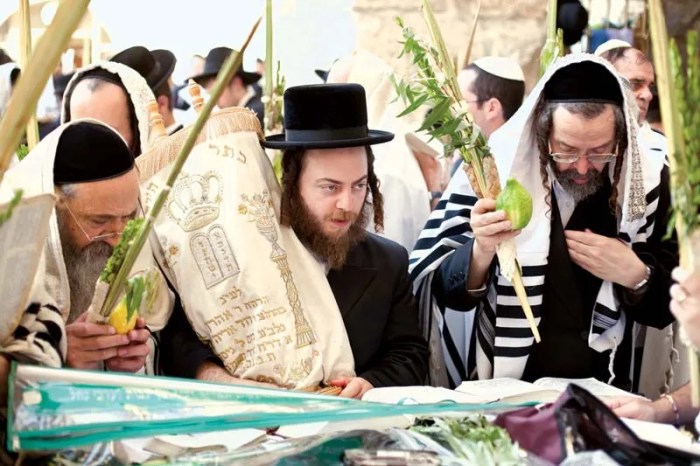
Pilgrimage in Judaism holds profound religious and historical significance, deeply interwoven with the nation’s identity and relationship with God. The three pilgrimage festivals – Passover, Shavuot, and Sukkot – mandated journeys to the Temple in Jerusalem, transforming these celebrations into powerful expressions of communal faith and national unity. These journeys, though no longer physically possible to the Temple in its former state, remain central to the understanding of Jewish history and spirituality.The concept of pilgrimage in Jewish tradition centers around the obligation to appear before God at the central sanctuary, the Temple in Jerusalem.
The pilgrimage festivals, explicitly commanded in the Torah, were more than just celebrations; they were physical manifestations of the covenant between God and the Jewish people. Participation in these festivals demonstrated loyalty, commitment, and a shared experience of faith, strengthening communal bonds and reinforcing the centrality of Jerusalem in Jewish life. The act of traveling to Jerusalem itself was considered an act of worship, a journey towards the divine presence.
The Pilgrimage Festivals and the Historical Journey of the Jewish People
The pilgrimage festivals are not merely annual events; they resonate with the historical experiences and spiritual development of the Jewish people. Passover commemorates the Exodus from Egypt, a foundational event marking the birth of the nation. Shavuot celebrates the giving of the Torah at Mount Sinai, representing the establishment of the covenant and the receiving of God’s law. Sukkot recalls the Israelites’ journey through the desert, emphasizing reliance on God’s provision and the transient nature of earthly existence.
Each festival, therefore, reflects a pivotal moment in the Jewish narrative, and the pilgrimage to the Temple served to reaffirm these foundational stories and their continuing relevance.
The Significance of Specific Locations, Jewish pilgrimage festivals
Jerusalem, and particularly the Temple Mount, was the focal point of pilgrimage. The destruction of the Second Temple in 70 CE irrevocably altered the physical aspect of pilgrimage, yet the spiritual yearning for connection to the divine in Jerusalem persists. The Western Wall, the remaining section of the Temple’s retaining wall, has become the most sacred site for Jewish prayer and pilgrimage.
Its stones have witnessed centuries of prayer and supplication, serving as a powerful symbol of enduring faith and a tangible link to the past. Other locations in Jerusalem, such as the Mount of Olives, also hold significance, offering panoramic views of the city and serving as sites of reflection and prayer.
Visual Representation of a Pilgrimage Journey
Imagine a vibrant tapestry depicting a caravan journeying towards Jerusalem during a pilgrimage festival. The image is rich with details. Figures, dressed in a variety of traditional garments reflecting different regions and socio-economic backgrounds, are depicted walking or riding on donkeys and camels. Women wear long, flowing dresses, perhaps with headscarves, while men are clad in tunics and shawls.
Children are nestled amongst the adults, their faces filled with a mixture of excitement and solemnity. The procession moves along dusty roads, with families and communities traveling together, sharing stories, songs, and food. The air is filled with the sounds of prayers, conversations, and the rhythmic beat of the travelers’ feet. In the distance, the golden dome of the Temple in Jerusalem rises majestically, serving as a beacon of hope and a promise of the fulfillment of their pilgrimage.
The overall scene conveys a powerful sense of community, faith, and the arduous yet fulfilling nature of the journey to the Holy City.
Modern Celebrations of Jewish Pilgrimage Festivals
The three pilgrimage festivals – Passover, Shavuot, and Sukkot – continue to hold immense significance for Jewish communities worldwide, albeit with adaptations reflecting the diverse contexts in which they are celebrated. Modern observances blend traditional practices with innovative interpretations, showcasing the enduring relevance of these ancient rituals in a constantly evolving world. This section explores the contemporary celebrations of these festivals, highlighting both the continuity and the change.
Passover Celebrations in the Modern Era
Passover, commemorating the Exodus from Egypt, remains a central event in Jewish life. Traditional practices like the Seder, featuring the retelling of the Exodus story, remain at the heart of the celebration. However, modern Seders often incorporate diverse perspectives and creative interpretations of the Haggadah, reflecting the evolving understanding of Jewish history and identity. For example, some communities incorporate readings that address social justice issues or highlight the experiences of marginalized groups.
Furthermore, the types of food served may vary across different communities, reflecting local culinary traditions and dietary restrictions.
- Many families now incorporate interactive elements into their Seders, involving children and encouraging participation from all generations.
- Seders are increasingly held in non-traditional settings, such as community centers or parks, fostering a sense of communal celebration.
- The use of technology, such as video conferencing, allows families separated by distance to participate in Seders together.
- Reform and Reconstructionist communities often feature more flexible interpretations of kashrut (dietary laws) during Passover, reflecting a broader approach to Jewish observance.
Shavuot Celebrations in the Modern Era
Shavuot, celebrating the giving of the Torah at Mount Sinai, is traditionally observed through all-night Torah study. This practice continues, but modern celebrations often expand beyond this core element. Many communities organize special events, such as lectures, musical performances, and artistic displays, that explore themes related to the Torah and its continuing relevance in contemporary life. The emphasis on learning is maintained, but the methods and topics have diversified to include contemporary Jewish thought and scholarship.
- Some communities hold outdoor celebrations, combining the traditional study with picnics and other festive activities.
- The focus on dairy foods, traditionally associated with Shavuot, is maintained, with many communities enjoying cheesecake and other dairy delicacies.
- Shavuot is increasingly used as an opportunity to celebrate the diversity of Jewish culture and tradition, with events showcasing different Jewish musical styles or artistic expressions.
- The study of the Torah is often complemented by discussions of relevant ethical and social justice issues.
Sukkot Celebrations in the Modern Era
Sukkot, the Festival of Tabernacles, celebrates the harvest and the protection provided by God during the Israelites’ journey through the desert. The building and dwelling in a Sukkah (temporary hut) remains a central practice. However, the design and location of Sukkot have evolved, reflecting both practical considerations and individual preferences. Some communities construct elaborate Sukkot, while others opt for simpler structures.
The meals and gatherings within the Sukkah provide opportunities for communal bonding and celebration.
- Many communities organize Sukkot festivals with communal meals and activities within the Sukkot.
- The decoration of Sukkot varies widely, reflecting individual creativity and cultural influences.
- The observance of the four species (lulav, etrog, hadas, and arava) remains a core ritual, though interpretations and explanations may vary across different communities.
- Some communities incorporate social action projects into their Sukkot celebrations, reflecting the festival’s themes of harvest and gratitude.
The Intersection of Jewish Pilgrimage Festivals and Modern Tourism
The rise of global tourism has profoundly impacted the observance of Jewish pilgrimage festivals, creating a complex interplay between religious tradition and modern travel. While tourism can offer opportunities for increased awareness and participation, it also presents challenges to the authenticity and spiritual focus of these sacred events. This intersection necessitates a careful consideration of the benefits and drawbacks for both the Jewish community and the broader tourist population.The Impact of Tourism on the Observance of Jewish Pilgrimage FestivalsTourism’s influence on Jewish pilgrimage festivals is multifaceted.
Increased visitor numbers can lead to economic benefits for local communities, supporting businesses and infrastructure. However, this influx can also result in overcrowding, impacting the solemnity and spiritual atmosphere of religious sites. For example, the increased presence of tourists during Sukkot in Jerusalem can make accessing synagogues and participating in traditional rituals more challenging for local residents.
The commercialization of aspects of the festivals, driven by tourist demand, can also lead to concerns about the dilution of traditional practices. The selling of souvenirs, for instance, can sometimes overshadow the deeper religious significance of the event.
Tourism’s Contribution to Jewish Cultural Heritage and Identity
Despite the challenges, tourism plays a significant role in promoting Jewish cultural heritage and identity globally. The exposure generated by these festivals allows for a wider understanding and appreciation of Jewish traditions, customs, and values. Many tourists who visit during these festivals gain a deeper appreciation for Jewish culture, leading to increased knowledge and tolerance. Furthermore, the media coverage of these events, often attracting international attention, contributes to the visibility and preservation of Jewish heritage on a global scale.
This heightened awareness can lead to increased support for Jewish communities and institutions.
Tourism’s Effects on Religious and Secular Aspects of Celebrations
Tourism impacts both the religious and secular aspects of these celebrations. Religiously, the increased crowds can disrupt traditional practices and create a less intimate atmosphere for prayer and reflection. Conversely, the increased visibility of these festivals can inspire greater participation from Jewish communities worldwide, strengthening their connection to their faith and heritage. Secularly, tourism boosts local economies, providing opportunities for businesses and creating jobs.
However, it can also lead to the commercialization of aspects of the celebrations, potentially undermining their cultural significance if not managed carefully. The need for balance between economic benefit and the preservation of cultural integrity is crucial.
A Hypothetical Visit to a Jewish Community Celebrating a Pilgrimage Festival
Imagine a crisp autumn evening in Safed, Israel, during Sukkot. The air is filled with the scent of pine and damp earth, a refreshing contrast to the day’s warmth. The narrow cobblestone streets are alive with activity; families stroll through the city, carrying brightly lit Sukkot decorations. The rhythmic chanting from a nearby synagogue drifts on the cool breeze, punctuated by the joyous laughter of children.
Elaborately decorated Sukkot, temporary huts, stand on balconies and rooftops, their roofs adorned with colorful fruits and vegetables. Inside one such Sukkah, a family shares a festive meal, the clinking of glasses and the lively conversation creating a warm and inviting atmosphere. The vibrant tapestry of lights, sounds, and smells creates an unforgettable sensory experience, showcasing the rich cultural heritage and profound spiritual significance of this ancient festival.
Observing the community’s joyous participation offers a powerful insight into the enduring legacy of Jewish pilgrimage festivals.
Luxury Travel Experiences Related to Jewish Heritage
The increasing interest in experiential travel has created a niche market for luxury travel packages centered around significant cultural and religious events. Jewish pilgrimage festivals, with their rich history and spiritual significance, offer a unique opportunity for high-end travel experiences that combine cultural immersion with unparalleled comfort and service. These packages cater to discerning travelers seeking more than just a trip; they desire a transformative journey that connects them deeply with their heritage or introduces them to a vibrant culture.Luxury travel packages focused on Jewish pilgrimage festivals provide a curated experience, eliminating the logistical challenges and allowing participants to fully immerse themselves in the festivities.
This includes personalized itineraries, premium accommodations, and exclusive access to events and sites that are typically inaccessible to the average tourist. The focus is on creating a seamless and enriching experience, blending spiritual reflection with luxurious amenities.
High-End Travel Accommodations and Services
Luxury accommodations during these pilgrimages typically include stays in boutique hotels, historic properties, or private villas in locations of significance. Imagine staying in a restored historical building in Jerusalem’s Old City, within walking distance of the Western Wall, complete with private butlers, gourmet meals, and curated cultural experiences. Services might extend to private transportation, including chauffeured vehicles, and personalized concierge services that handle every detail, from booking private tours to arranging exclusive dining experiences.
These services ensure a stress-free experience, allowing travelers to fully focus on the spiritual and cultural aspects of their pilgrimage.
Exclusive Travel Experiences Combining Cultural Immersion and Luxury Amenities
Exclusive experiences might involve private guided tours of significant historical sites, led by renowned experts in Jewish history and culture. These tours could include access to restricted areas or behind-the-scenes glimpses into the daily lives of the community. Imagine a private Shabbat dinner hosted by a prominent rabbi in a stunning setting, followed by a concert of traditional Jewish music performed by world-renowned musicians.
Or perhaps a private cooking class focusing on traditional Sephardic or Ashkenazi cuisine, followed by a luxurious meal featuring the dishes prepared. The aim is to create a journey that transcends mere sightseeing, offering a deeply personal and meaningful connection to Jewish heritage.
Example Premium Travel Package: Sukkot in Israel
| Item | Description | Price |
|---|---|---|
| Accommodation | 7 nights at the luxurious King David Hotel in Jerusalem | $7,000 |
| Flights | Round-trip business class airfare from New York City | $5,000 |
| Private Tours | Guided tours of Jerusalem’s Old City, including the Western Wall, Temple Mount (viewing area only), and City of David | $2,000 |
| Exclusive Experiences | Private Sukkot celebration with a prominent rabbi, including a traditional meal and cultural performance; Private cooking class focusing on traditional Israeli cuisine | $3,000 |
| Transportation | Private chauffeured car service throughout the trip | $1,000 |
| Other | Concierge services, entry fees to all sites, gratuities | $500 |
| Total | $19,000 |
The enduring power of Jewish pilgrimage festivals lies in their ability to connect past, present, and future. These celebrations are not merely historical reenactments; they are living expressions of faith, community, and cultural heritage. As we’ve seen, their observance has adapted to the changing times, yet the underlying spiritual significance remains profoundly relevant. Whether celebrated in bustling metropolises or close-knit rural communities, these festivals continue to bind the Jewish people together, reinforcing their shared identity and strengthening their connection to a rich and complex history.
FAQ Compilation: Jewish Pilgrimage Festivals
What are the symbolic foods associated with each festival?
Passover features matzah (unleavened bread), representing the haste of the Exodus. Shavuot involves dairy products, symbolizing the giving of the Torah. Sukkot utilizes the etrog (citron) and lulav (palm branch) representing the bounty of the harvest.
How long do these festivals last?
Passover lasts eight days (seven in Reform Judaism), Shavuot is two days, and Sukkot is seven days (plus an additional holiday called Shemini Atzeret).
Are there any specific prayers or blessings recited during these festivals?
Yes, each festival has unique prayers and blessings related to its specific themes and historical context. For example, Passover includes the Seder service with its specific prayers and readings.
How are these festivals celebrated differently in various Jewish communities?
While core practices remain consistent, customs and traditions vary among different Jewish communities (e.g., Sephardic, Ashkenazic, Reform, Conservative, Orthodox) influencing food, rituals, and overall celebration styles.


