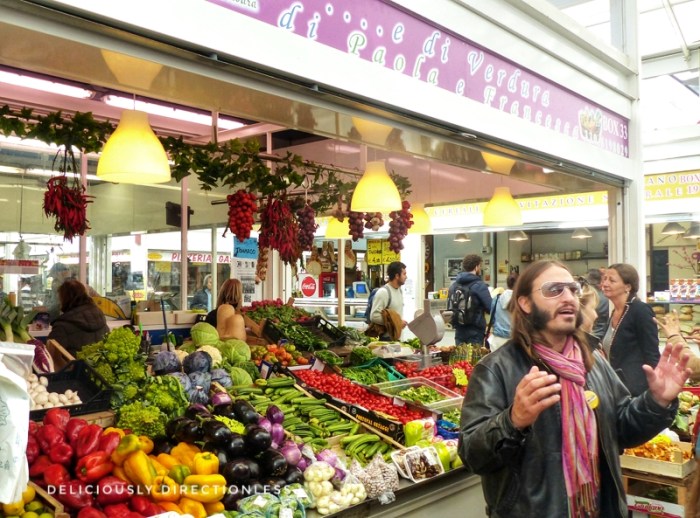
Local food tours in Europe offer a delectable way to explore the continent’s diverse culinary landscapes. From the rustic charm of Italian trattorias to the vibrant street food scenes of Spain, these tours provide an immersive experience, going beyond simple sightseeing to reveal the heart and soul of each region through its gastronomy. They cater to a wide range of preferences, encompassing wine tastings in sun-drenched vineyards, hands-on cooking classes, and intimate farm-to-table dinners, each offering a unique cultural perspective.
This exploration delves into the popularity and trends of European food tours, examining the various types of experiences available, the target audience, effective marketing strategies, and a comparison of culinary destinations. We will also touch upon the burgeoning high-end travel segment and its impact on the food tour industry, considering luxury accessories and premium travel guides that enhance the overall experience.
Popularity and Trends of Local Food Tours in Europe
Local food tours have experienced a significant surge in popularity across Europe in recent years, transforming from a niche travel activity into a mainstream tourism offering. This growth reflects a broader shift in traveler preferences, prioritizing authentic cultural experiences over standardized tourist attractions.
The rising popularity of local food tours is driven by several key factors. Firstly, travelers are increasingly seeking immersive and authentic experiences that go beyond typical sightseeing. Food is a powerful cultural connector, offering a direct pathway to understanding a region’s history, traditions, and people. Secondly, the emphasis on sustainability and responsible tourism has fueled interest in supporting local businesses and producers.
Food tours often highlight small, family-run establishments, contributing directly to the local economy. Finally, the rise of social media has played a crucial role in promoting these tours, with visually appealing food photos and videos generating considerable interest and encouraging participation.
Types of Food Tours Offered in Europe, Local food tours in Europe
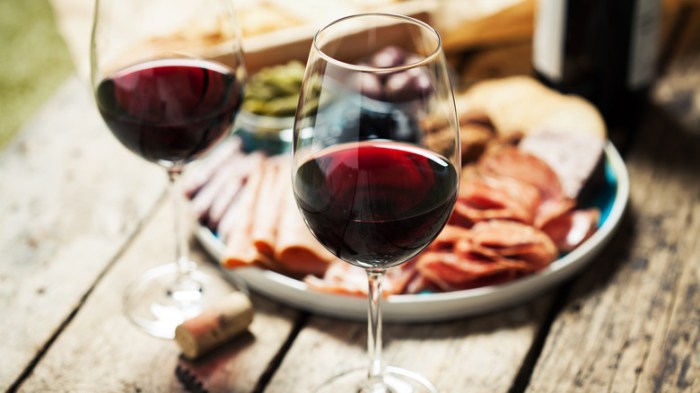
Europe offers a diverse range of food tours catering to various tastes and interests. Wine tours, particularly in regions renowned for viticulture like Tuscany, Bordeaux, and the Douro Valley, remain incredibly popular. These tours typically involve visits to vineyards, wine tastings, and often include pairings with local cheeses and charcuterie. Street food tours, focusing on the vibrant and diverse culinary landscapes of cities like Rome, Barcelona, and Lisbon, provide a more casual and affordable option, showcasing the best of local street vendors and hidden culinary gems.
Cooking classes, offering hands-on experiences in preparing traditional dishes, are another increasingly popular option, providing a deeper engagement with local culinary traditions. Many tours combine elements of these formats, offering a comprehensive culinary experience.
Comparison of European Food Tour Types
The following table provides a comparison of different types of food tours, highlighting average price ranges and popular locations. Note that prices can vary considerably depending on the duration, inclusions, and provider. These figures represent approximate averages based on readily available online information and should be considered indicative rather than definitive.
| Tour Type | Average Price Range (€) | Popular Locations |
|---|---|---|
| Wine Tours | 80-200+ | Tuscany (Italy), Bordeaux (France), Douro Valley (Portugal), Rioja (Spain) |
| Street Food Tours | 40-100 | Rome (Italy), Barcelona (Spain), Lisbon (Portugal), Berlin (Germany), London (UK) |
| Cooking Classes | 70-150+ | Florence (Italy), Paris (France), San Sebastian (Spain), Vienna (Austria) |
| Market Tours | 50-120 | La Boqueria Market (Barcelona), Borough Market (London), Central Market (Budapest) |
Target Audience and Marketing Strategies for Food Tours: Local Food Tours In Europe

Local food tours in Europe cater to a diverse clientele, making targeted marketing crucial for success. Understanding the key demographics and interests of potential participants allows for the creation of effective campaigns that resonate with specific groups. This understanding also informs the choice of marketing channels to reach these groups efficiently.Effective marketing strategies leverage various channels to maximize reach and engagement.
A multi-pronged approach, combining online and offline tactics, generally yields the best results. Furthermore, tailoring marketing materials to reflect the specific appeal of each tour is essential to attract the right audience.
Primary Target Audience for European Food Tours
The primary target audience for local food tours in Europe is broad but can be segmented into several key groups. A significant portion comprises millennials and Gen X travelers (aged 25-55), often couples or small groups of friends, seeking authentic cultural experiences. These individuals are typically well-travelled, digitally savvy, and interested in gastronomy and local culture. Another important segment includes older travelers (55+), often couples or small groups, who value comfort and convenience, seeking curated experiences with less physical exertion.
Finally, families with children represent a growing market segment, requiring tours designed with children’s interests and needs in mind. Each segment requires a slightly different marketing approach.
Effective Marketing Channels
Reaching the target audience effectively necessitates a diverse marketing strategy. Social media platforms like Instagram and Facebook are vital for visually showcasing the tours’ appeal, utilizing high-quality photos and videos of food and locations. Travel blogs and influencer marketing are powerful tools for reaching a wider audience through authentic reviews and recommendations. Partnerships with hotels, tourism agencies, and local businesses expand reach and offer cross-promotional opportunities.
Email marketing remains a powerful tool for targeted communication with potential customers, nurturing leads and promoting special offers. Search engine optimization () is essential for ensuring tours appear in online searches for relevant s. Finally, targeted online advertising campaigns on platforms like Google Ads can further refine reach and improve conversion rates.
Sample Marketing Campaign: Tapas Tour in Seville, Spain
Consider a tapas tour in Seville, Spain, targeting millennial and Gen X travelers. The campaign, titled “Savor Seville: A Tapas Adventure,” would utilize vibrant imagery and videos showcasing Seville’s charm and the diverse tapas offerings. Instagram and Facebook would feature visually appealing posts highlighting specific tapas dishes and the tour’s itinerary. Collaborations with Seville-based travel bloggers and influencers would provide authentic reviews and endorsements.
The tour’s website would include detailed information, booking options, and customer testimonials. Targeted Google Ads would focus on s like “Seville tapas tour,” “Seville food tour,” and “authentic Spanish food experience.” Email marketing would nurture leads with exclusive offers and updates.
Examples of Successful Marketing Strategies
Many established food tour operators utilize successful strategies. For example, Eating Italy Food Tours uses high-quality photography and videography on their website and social media to showcase the beauty of Italian cuisine and the experiences offered. They also leverage strong testimonials from past participants to build trust and credibility. Another example is Devour Tours, which successfully utilizes partnerships with hotels and local businesses to reach a wider audience and offer bundled packages.
Their strong social media presence, particularly on Instagram, showcases the vibrant atmosphere of their tours and engages potential customers effectively. Their website also offers a user-friendly booking system and detailed tour descriptions.
Comparison of European Food Tour Destinations
Exploring Europe’s diverse culinary landscape offers a feast for the senses. This comparison highlights the unique characteristics of three distinct countries, showcasing their individual strengths and appeal to food tourists. We’ll delve into their culinary offerings, price ranges, and accessibility to help you plan your perfect gastronomic adventure.
Culinary Landscapes of Italy, France, and Spain
Italy, France, and Spain represent three pillars of European gastronomy, each boasting a rich history and unique regional variations. Italy is renowned for its fresh pasta, regional cheeses, and pizzas, while France offers sophisticated cuisine with refined techniques and a focus on seasonal ingredients. Spain, meanwhile, captivates with its vibrant tapas culture, diverse seafood, and hearty paella dishes.
These differences stem from centuries of distinct agricultural practices, cultural influences, and culinary traditions.
Unique Selling Propositions of Each Destination
Italy’s culinary USP lies in its simplicity and focus on fresh, high-quality ingredients. The emphasis on regional specialties ensures a wide array of authentic experiences, from the rustic flavors of Tuscany to the seafood-rich cuisine of Sicily. France, with its Michelin-starred restaurants and emphasis on culinary artistry, appeals to discerning palates seeking sophisticated dining experiences. Spain’s tapas culture offers an unparalleled opportunity for culinary exploration, allowing visitors to sample a wide variety of dishes in a relaxed and social atmosphere.
Key Differences in Food Culture and Traditions
Italian food culture emphasizes family meals and the sharing of food as a central part of social life. Meals are often lengthy and leisurely affairs, celebrating the simple pleasures of good food and company. French food culture is more formal, with a strong emphasis on presentation and technique. Meals are often structured affairs, following a specific order of courses.
Spanish food culture is characterized by its social nature, with tapas providing an opportunity for socializing and sharing food in a convivial setting. The pace of dining in Spain is generally more relaxed than in Italy or France.
Comparative Table of European Food Tour Destinations
| Culinary Aspect | Italy | France | Spain |
|---|---|---|---|
| Signature Dishes | Pasta, Pizza, Risotto, Gelato | Croissants, Baguettes, Steak Frites, Soufflés | Paella, Tapas, Gazpacho, Jamón Ibérico |
| Price Point (Average per meal) | €15-€30 | €25-€50+ | €10-€30 |
| Accessibility | Wide range of options, from casual trattorias to fine dining | Wide range, but fine dining can be expensive and require reservations | Very accessible, with numerous tapas bars and casual restaurants |
High-End Travel Experiences
High-end travel experiences cater to discerning travelers seeking unparalleled luxury, personalized service, and unique, unforgettable moments. These experiences transcend mere tourism; they are curated journeys designed to create lasting memories and offer access to exclusive opportunities unavailable to the average traveler. The focus is not just on the destination, but on the entire journey, from pre-trip planning to post-trip follow-up.Luxury travel distinguishes itself from premium travel through a greater emphasis on exclusivity, personalization, and bespoke service.
While premium travel might involve comfortable accommodations and convenient amenities, luxury travel goes beyond this, offering curated itineraries, private transportation, dedicated concierge services, and access to experiences unavailable to the general public. The difference often lies in the level of detail, the personalization of the experience, and the overall feeling of exclusivity and seamlessness.
Examples of Exclusive Travel Experiences
High-end travel encompasses a wide array of exclusive experiences. Private island vacations offer unparalleled seclusion and privacy, often with dedicated staff catering to every whim. Imagine a private villa on a pristine island in the Maldives, with a personal chef preparing gourmet meals, a private butler attending to your needs, and a dedicated team arranging exclusive activities such as private snorkeling excursions or sunset cruises.
Luxury train journeys, such as the Venice Simplon-Orient-Express, offer a glamorous and nostalgic travel experience, complete with opulent cabins, fine dining, and breathtaking scenery. These journeys often include curated excursions and access to exclusive events along the route. Access to unique cultural events, such as private viewings of museum collections or exclusive performances, adds another layer of exclusivity to high-end travel.
These experiences often involve personalized introductions, behind-the-scenes access, and opportunities to interact with artists, curators, or performers.
Top Five Luxury Travel Destinations in Europe
The following destinations consistently rank highly amongst luxury travelers due to their unique combination of history, culture, stunning landscapes, and access to exclusive experiences.
- Switzerland: Switzerland offers breathtaking alpine scenery, luxurious hotels with world-class spas, and charming villages. The country’s reputation for impeccable service and attention to detail makes it a perennial favorite for luxury travelers. Exclusive experiences might include private helicopter tours of the Alps, stays in luxurious chalets with personalized concierge services, and access to private ski resorts.
- Italy: Italy’s rich history, art, and culture, combined with its stunning landscapes, make it a prime destination for luxury travel. Exclusive experiences can include private tours of iconic sites like the Vatican Museums, stays in historic villas in Tuscany or the Amalfi Coast, and private cooking classes with renowned chefs.
- France: France offers a blend of Parisian elegance and charming countryside. Luxury travelers can enjoy exclusive shopping experiences in Paris, private wine tastings in Bordeaux, and stays in luxurious chateaux in the Loire Valley. Access to private art collections and exclusive cultural events further enhances the experience.
- Greece: The Greek islands offer stunning beaches, crystal-clear waters, and a rich history. Luxury travelers can enjoy private yacht charters, stays in exclusive resorts with private pools and butler service, and access to secluded beaches and hidden coves.
- Scotland: Scotland offers dramatic landscapes, historic castles, and a unique cultural heritage. Luxury travelers can enjoy private whisky distillery tours, stays in luxurious castles or country estates, and access to exclusive sporting activities such as private fishing or hunting expeditions.
High-End Travel Accessories and Premium Travel Guides
Elevating the European food tour experience requires not only exceptional culinary discoveries but also the right tools and resources to enhance the journey. High-end travel accessories and premium travel guides play a crucial role in ensuring a seamless and memorable trip, transforming a simple vacation into a luxurious and enriching adventure.High-end travel accessories provide functionality and style, going beyond basic necessities.
Premium travel guides offer curated insights and exclusive experiences unavailable in standard guides. Together, they create a synergistic effect, significantly impacting the overall travel experience.
Features and Benefits of High-End Travel Accessories
High-end luggage, for example, prioritizes durability, lightweight materials, and sophisticated design. Features like reinforced corners, smooth-rolling wheels, and TSA-approved locks offer peace of mind. Premium materials like Italian leather or ballistic nylon ensure longevity and a sense of luxury. Personal care items in this category often focus on travel-sized versions of high-quality products, utilizing sustainable packaging and innovative formulations.
The benefit extends beyond practicality; these accessories become a reflection of personal style and a statement of refined travel.
Content and Value Proposition of Premium Travel Guides
Premium travel guides differentiate themselves from standard guides through exclusive content, detailed maps, and high-quality photography. They often feature insider recommendations, interviews with local chefs, and curated itineraries focusing on unique experiences. Unlike standard guides that may list a broad range of options, premium guides provide a carefully selected set of choices, emphasizing quality over quantity. The value proposition lies in the time and effort saved, access to exclusive experiences, and a deeper understanding of the destination’s culinary culture.
A premium guide acts as a personal concierge, guiding the traveler towards the best culinary experiences.
Hypothetical High-End Food Tour Accessory: The Culinary Explorer’s Kit
Imagine a sophisticated, compact kit designed specifically for food tours. This kit would include a high-quality insulated bag to keep food and drinks at optimal temperatures, a set of reusable, elegant food containers, a sommelier’s-style tasting journal with prompts for recording sensory details, a portable digital scale for precise ingredient measurements (useful for cooking classes), and a stain-resistant, easily-cleanable apron.
The kit’s design would be both stylish and practical, using durable, sustainable materials. The benefit is a cohesive and elevated culinary experience, allowing participants to actively engage with the food they sample and preserve memories of their culinary journey.
Examples of Premium Travel Guides Focused on Culinary Experiences in Europe
While specific titles change with publishing cycles, examples of premium culinary travel guides could include publications that partner with Michelin-starred chefs or renowned food critics. These guides would focus on in-depth profiles of specific restaurants, provide detailed maps showing local markets and culinary hotspots, and offer suggested itineraries combining food with cultural experiences. They would go beyond simply listing restaurants, providing insightful narratives and historical context, enriching the overall experience.
A hypothetical example could be a guide focusing on the “hidden culinary gems” of Italy, offering detailed descriptions of regional specialties and lesser-known trattorias, accompanied by high-quality photographs and maps.
Ultimately, local food tours in Europe provide more than just a culinary adventure; they offer a pathway to understanding the culture, history, and people of each region. By engaging with local producers, chefs, and communities, travelers gain a deeper appreciation for the rich tapestry of European food traditions. Whether you’re a seasoned foodie or a curious traveler, embarking on a local food tour promises an unforgettable journey that tantalizes the taste buds and enriches the soul.
Essential FAQs
What is the average cost of a food tour in Europe?
Prices vary greatly depending on the tour type, location, and duration. Expect to pay anywhere from €50 to €200 per person.
Are food tours suitable for solo travelers?
Absolutely! Many food tours welcome solo travelers and offer a great opportunity to meet like-minded individuals.
Do I need to make reservations in advance?
Yes, booking in advance is highly recommended, especially during peak season, to secure your spot.
What if I have dietary restrictions or allergies?
Most tour operators are happy to accommodate dietary needs. Inform them of your requirements when booking.