
UNESCO World Heritage ancient sites represent a global tapestry of human history and cultural achievement. These remarkable locations, spanning millennia and continents, offer invaluable insights into past civilizations, their innovations, and their enduring legacies. Exploring these sites not only unveils fascinating stories but also highlights the urgent need for their preservation in the face of modern challenges.
From the monumental pyramids of Egypt to the intricate temples of Angkor Wat, these sites serve as tangible links to our shared past. Their preservation is crucial not just for historical understanding but also for fostering cultural appreciation and promoting sustainable tourism. This exploration delves into the geographical distribution of these sites, the challenges they face, and the innovative approaches being implemented to safeguard them for future generations.
Ancient Site Tourism and its Impact
The burgeoning global tourism industry significantly impacts UNESCO World Heritage ancient sites, presenting a complex interplay of economic benefits and environmental, social, and cultural challenges. While tourism can generate substantial revenue and raise awareness of these invaluable sites, it also poses risks to their preservation and the well-being of local communities. A balanced approach is crucial, prioritizing sustainable practices to ensure the long-term viability of both the sites and the communities that depend on them.The economic benefits of tourism at ancient sites are undeniable.
Revenue generated through entrance fees, accommodation, transportation, and related services can contribute significantly to national and local economies. For example, the ancient city of Petra in Jordan has seen substantial economic growth due to tourism, providing employment opportunities and supporting infrastructure development. However, this economic boon is not without its drawbacks. Over-tourism can lead to infrastructure strain, price inflation impacting local residents, and the displacement of traditional livelihoods.
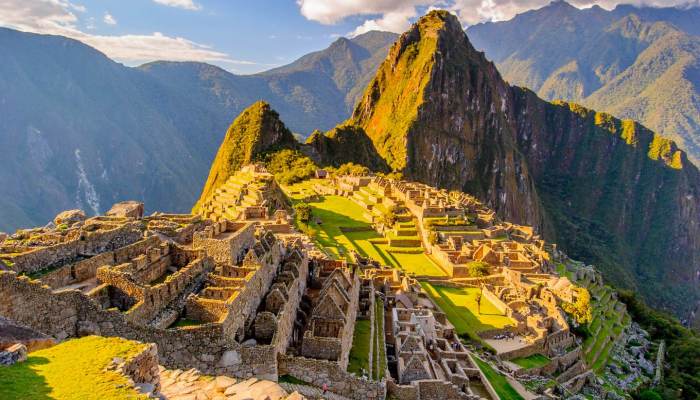
The influx of tourists can also strain local resources, leading to water shortages and increased pollution in some areas. Machu Picchu in Peru, while a significant economic driver, has faced challenges managing the large number of visitors and mitigating the environmental impact of their presence.
Economic Benefits and Challenges of Ancient Site Tourism
Tourism’s economic impact on ancient sites is multifaceted. Positive impacts include increased revenue for governments and local businesses, job creation, and investment in infrastructure improvements. Conversely, negative impacts include over-reliance on tourism, potentially leading to economic instability if visitor numbers decline; the displacement of local populations due to rising land values; and the creation of a “tourist economy” that may not benefit local communities equitably.
For instance, while Angkor Wat in Cambodia generates substantial revenue, the distribution of that wealth and its impact on the local population remains a complex issue.
Strategies for Responsible Tourism at Ancient Sites
Responsible tourism is paramount for the long-term preservation of ancient sites. Strategies must address environmental protection, cultural sensitivity, and equitable economic benefits for local communities.
- Implementing strict visitor management strategies: This includes limiting daily visitor numbers, implementing timed entry systems, and creating designated pathways to minimize environmental damage and overcrowding. Examples include the reservation system in place at Machu Picchu and the regulated access to certain areas of the Acropolis in Athens.
- Investing in sustainable infrastructure: This involves developing eco-friendly transportation options, using renewable energy sources, and constructing buildings that minimize environmental impact. The use of electric buses and improved waste management systems at many sites demonstrate a move towards this goal.
- Promoting community involvement and benefits: Local communities should be actively involved in tourism planning and management, ensuring that they benefit economically and culturally from tourism activities. This includes providing training opportunities, supporting local businesses, and preserving traditional crafts and knowledge.
- Educating tourists about responsible behavior: Clear guidelines and educational campaigns can promote respectful behavior among visitors, encouraging them to minimize their environmental footprint and appreciate the cultural significance of the site. Signage and informational materials at many sites highlight this need.
- Monitoring and evaluating the impact of tourism: Regular monitoring and evaluation are crucial to identify potential problems and adjust management strategies accordingly. This involves tracking visitor numbers, assessing environmental impact, and evaluating the economic and social benefits for local communities.
Hypothetical Tourism Management Plan: Machu Picchu
This plan focuses on improving visitor flow, infrastructure, and community engagement at Machu Picchu. Visitor Flow Management: Implement a stricter reservation system, limiting daily visitor numbers to a sustainable level. Introduce multiple entry points and designated walking paths to disperse crowds and minimize environmental damage. Utilize technology such as mobile apps to provide real-time information on visitor numbers and suggest alternative less-crowded times to visit.
Infrastructure Development: Invest in improved public transportation, including electric buses, to reduce reliance on private vehicles and air pollution. Develop eco-friendly waste management systems and improve water management infrastructure. Construct visitor centers that incorporate sustainable design principles and showcase the history and culture of Machu Picchu. Community Engagement: Create opportunities for local communities to participate in tourism-related activities, such as providing guided tours, crafting souvenirs, and managing accommodation.
Invest in training programs to develop local skills and ensure equitable distribution of economic benefits. Establish a community advisory board to provide input on tourism management decisions.
The Role of Technology in Understanding Ancient Sites
Technology has revolutionized the study and preservation of ancient sites, offering unprecedented insights into the past and enabling more effective conservation strategies. From uncovering hidden structures to creating accessible digital archives, technological advancements are fundamentally changing our understanding and appreciation of these invaluable historical resources.Archaeological techniques such as remote sensing and 3D modeling are significantly enhancing our ability to investigate ancient sites.
These methods allow archaeologists to explore areas that are inaccessible or dangerous through traditional excavation methods, and to create detailed and accurate records of discoveries.
Remote Sensing and its Applications in Archaeology, UNESCO World Heritage ancient sites
Remote sensing technologies, including aerial photography, LiDAR (Light Detection and Ranging), and ground-penetrating radar (GPR), provide non-invasive methods for examining ancient sites. Aerial photography, for example, can reveal subtle variations in vegetation or soil that might indicate the presence of buried structures. LiDAR, which uses lasers to create highly accurate 3D models of the terrain, can penetrate dense vegetation to reveal the underlying landscape and identify features such as ancient settlements or roads.
GPR, on the other hand, employs radar pulses to detect subsurface features, helping archaeologists locate buried walls, tombs, and other archaeological remains. The use of LiDAR at the Mayan site of Caracol in Belize, for instance, revealed previously unknown structures and significantly expanded our understanding of the city’s layout and size. Similarly, GPR surveys have been instrumental in uncovering hidden features at Pompeii, revealing previously unknown aspects of the city’s infrastructure before the eruption of Mount Vesuvius.
Three-Dimensional Modeling and Virtual Reconstruction
D modeling techniques, often combined with photogrammetry (the science of making measurements from photographs), allow archaeologists to create detailed virtual reconstructions of ancient sites. These models provide a highly accurate and accessible representation of the site, allowing researchers to study its features in detail and enabling the creation of immersive virtual tours for the public. For example, 3D modeling has been used to reconstruct the lost city of Palmyra in Syria, allowing researchers and the public to virtually explore the site even after its destruction by ISIS.
This technology offers not only a means of understanding the past but also serves as a vital tool for preservation, allowing future generations to experience these sites even if they are physically lost.
Digital Preservation and Dissemination of Information
Digital technologies are crucial for preserving and disseminating information about ancient sites. Online databases, such as the Archaeological Atlas of the Roman Empire, provide centralized repositories of information about archaeological findings, making it readily accessible to researchers and the public worldwide. Virtual tours allow individuals to experience ancient sites remotely, increasing accessibility and promoting broader appreciation for cultural heritage.
Furthermore, digital archiving of archaeological records protects valuable data from loss or damage, ensuring its long-term preservation for future generations of researchers. The creation of virtual museums, showcasing artifacts and sites through interactive displays and 3D models, is another powerful example of how digital technologies are expanding access to cultural heritage.
Ethical Considerations in the Use of Technology
The application of technology in archaeology and the preservation of ancient sites raises several important ethical considerations. The potential for misuse of data, the need for responsible data management, and the impact on local communities and their cultural heritage require careful attention. Concerns about data ownership, access, and the potential for misrepresentation of archaeological findings must be addressed through ethical guidelines and responsible research practices.
Furthermore, the potential for increased tourism due to virtual access needs to be carefully managed to avoid damage to fragile sites. Balancing the benefits of technology with the need to protect these irreplaceable resources is paramount. The creation and implementation of strict protocols and international agreements are vital to ensure that technological advancements are used responsibly and ethically to preserve and understand our shared history.
Luxury Travel Experiences Related to Ancient Sites: UNESCO World Heritage Ancient Sites
The allure of ancient civilizations is undeniable, and for the discerning traveler, experiencing these wonders can be elevated to a truly luxurious level. Luxury travel packages offer a curated experience, transforming a historical exploration into a memorable journey of comfort, exclusivity, and profound cultural immersion. This goes beyond simply visiting a site; it’s about the entire journey, from opulent accommodations to personalized guided tours and exclusive access.
A Luxury Travel Brochure: Ancient Wonders Unveiled
This brochure would showcase a seven-day luxury tour encompassing three UNESCO World Heritage sites: Machu Picchu (Peru), Petra (Jordan), and the Angkor Wat complex (Cambodia). The brochure’s imagery would feature high-resolution photographs depicting the breathtaking beauty of each site, interspersed with shots of luxurious accommodations and exclusive experiences.
Accommodations: The brochure would highlight stays in five-star hotels or luxury resorts near each site. For instance, a luxurious hotel overlooking the Urubamba Valley for Machu Picchu, a private villa with stunning views of Petra, and a boutique hotel nestled amidst the lush landscapes near Angkor Wat. Each accommodation would be described with attention to detail, highlighting features like private balconies, infinity pools, spa services, and personalized butler service.
Transportation: Private helicopter transfers between sites would be showcased, alongside first-class international flights and comfortable private car transfers within each location. The brochure would emphasize the seamless and efficient travel arrangements designed to maximize relaxation and minimize stress.
Guided Tours: The brochure would emphasize expert, private guided tours at each site. These guides would possess extensive knowledge of the history, archaeology, and cultural significance of each location. Tours would be designed to provide an intimate and enriching experience, avoiding large crowds and ensuring personalized attention.
Seven-Day Luxury Tour Itinerary: Ancient Wonders and Exclusive Experiences
This itinerary balances historical exploration with luxurious experiences, catering to a discerning traveler seeking both cultural immersion and high-end comfort.
Day 1: Arrival in Cusco, Peru. Private transfer to a luxurious hotel in the Sacred Valley. Afternoon acclimatization walk followed by a gourmet dinner at a renowned local restaurant.
Day 2: Private helicopter tour over the Andes Mountains, followed by a guided tour of Machu Picchu. Enjoy a private lunch overlooking the ancient city, before returning to the hotel for a relaxing evening.
Day 3: Private jet transfer to Amman, Jordan. Check into a five-star hotel near Petra. Afternoon exploring Wadi Rum desert in a private luxury vehicle, with a gourmet Bedouin dinner under the stars.
Day 4: Private guided tour of Petra, exploring the Siq, Treasury, and other significant monuments. Enjoy a private lunch at a high-end restaurant before returning to the hotel for relaxation.
Day 5: Private jet transfer to Siem Reap, Cambodia. Check into a luxury resort near Angkor Wat. Enjoy a traditional Apsara dance performance and dinner.
Day 6: Private guided tour of Angkor Wat and Angkor Thom, including the Bayon and Ta Prohm temples. Enjoy a sunset cocktail overlooking the temples, followed by a luxurious spa treatment.
Day 7: Departure from Siem Reap.
High-End Travel Enhancements: The tour incorporates elements such as private island excursions (perhaps a private island stay in the Maldives after Cambodia), access to high-end travel accessories (e.g., bespoke luggage, high-quality binoculars), exclusive experiences (e.g., a private cooking class with a renowned chef, a private audience with a local artisan), premium travel guides (customized guidebooks and curated reading material), and a luxury train journey (e.g., a segment of the journey via a luxurious sleeper train).
Luxury vs. Budget Travel to Ancient Sites: A Comparison
Visiting ancient sites as part of a luxury travel experience offers unparalleled comfort and exclusivity. Private transportation, personalized guided tours, and luxurious accommodations significantly enhance the overall experience, providing a stress-free and immersive journey. In contrast, a budget-friendly trip may involve more independent travel, utilizing public transportation and more basic accommodations. While this can offer a more authentic and adventurous experience, it requires more planning and may involve compromises in comfort and convenience.
The luxury experience prioritizes convenience and exclusivity, while the budget-friendly option prioritizes affordability and a more hands-on approach to exploration. The choice ultimately depends on individual preferences and travel styles.
The preservation of UNESCO World Heritage ancient sites is a collective responsibility, demanding a multifaceted approach that blends technological advancements with responsible tourism strategies and a deep respect for cultural heritage. By understanding the threats these sites face and embracing innovative solutions, we can ensure that these invaluable treasures continue to inspire and educate for centuries to come. The ongoing effort to protect and share these sites underscores humanity’s commitment to preserving its shared past for a richer future.
FAQ Resource
What criteria must a site meet to become a UNESCO World Heritage site?
Sites must possess outstanding universal value and meet at least one of ten selection criteria, encompassing cultural and natural significance.
How are UNESCO World Heritage sites funded?
Funding comes from a variety of sources, including UNESCO, member states, private donations, and tourism revenue. Specific funding mechanisms vary depending on the site and its needs.
What is the role of local communities in preserving these sites?
Local communities play a vital role, often acting as custodians and actively participating in preservation efforts and sustainable tourism initiatives.
Are there any legal protections for UNESCO World Heritage sites?
Yes, the World Heritage Convention provides a legal framework for the protection and conservation of these sites, though enforcement varies by country.


