
Volunteer abroad cultural immersion offers a transformative experience, blending selfless service with profound personal growth. It’s far more than a typical vacation; it’s a journey of discovery, challenging preconceptions and fostering a deeper understanding of diverse cultures. This immersive approach allows volunteers to contribute meaningfully while simultaneously gaining invaluable insights into different ways of life, creating memories and personal development that extend far beyond the program’s duration.
This exploration delves into the various facets of volunteer abroad programs focused on cultural immersion, examining different program types, their benefits and challenges, and the crucial steps involved in finding reputable organizations and preparing for a successful experience. We’ll also compare this unique travel style to other high-end options, highlighting its distinct advantages and target audience. Ultimately, the aim is to equip prospective volunteers with the knowledge and resources necessary to embark on a rewarding and impactful journey.
Benefits and Challenges of Cultural Immersion Volunteering
Cultural immersion volunteering offers a unique opportunity for personal and professional growth, but it also presents certain challenges. Understanding both the advantages and potential difficulties is crucial for a rewarding and impactful experience. This section will explore the benefits volunteers can gain, the challenges they might face, and strategies for navigating these challenges successfully.
Participating in a cultural immersion volunteer program provides numerous benefits across various aspects of life. The experience fosters personal growth, enhances professional skills, and broadens worldviews, leading to a more fulfilling and impactful life.
Personal Benefits of Cultural Immersion Volunteering
Personal growth is a significant outcome of cultural immersion volunteering. Exposure to new cultures, environments, and ways of life forces individuals to step outside their comfort zones, promoting adaptability, resilience, and self-awareness. Volunteers often develop greater empathy and understanding towards different cultures, fostering tolerance and reducing prejudice. For example, a volunteer working with children in a rural community in Nepal might learn to appreciate the value of community support and resourcefulness, contrasting with their own experiences.
This increased self-awareness can lead to improved decision-making and problem-solving skills in personal life. Furthermore, the experience often builds confidence and independence, equipping volunteers with the skills to navigate unfamiliar situations and overcome challenges effectively.
Professional Benefits of Cultural Immersion Volunteering
Cultural immersion volunteering offers substantial professional advantages. The experience enhances problem-solving abilities, adaptability, and teamwork skills – all highly valued by employers. Working in diverse teams and collaborating with individuals from different backgrounds cultivates intercultural communication skills. For instance, a volunteer working on an environmental project in Costa Rica might learn to navigate differing opinions and perspectives, effectively collaborating with local community members and international team members.
This experience demonstrates adaptability and teamwork abilities, making volunteers stronger candidates for future employment opportunities. Moreover, the experience provides valuable practical experience, relevant skills, and networking opportunities, enriching resumes and enhancing career prospects.
Challenges of Cultural Immersion Volunteering
While highly rewarding, cultural immersion volunteering presents various challenges. Language barriers can significantly hinder communication and understanding, making it difficult to effectively contribute to the project and build relationships with locals. Cultural differences, such as varying social norms, customs, and communication styles, can lead to misunderstandings and frustration. For example, a volunteer accustomed to direct communication might find it challenging to work within a culture that values indirect communication.
Logistical issues, such as inadequate housing, transportation problems, or health concerns, can also impact the overall experience. Finally, dealing with homesickness and feelings of isolation can be significant challenges, especially during extended volunteer placements.
Strategies for Overcoming Challenges and Maximizing Positive Impact
Effective preparation is key to mitigating potential challenges. Learning basic phrases in the local language can significantly improve communication. Researching the local culture and customs beforehand helps volunteers understand and respect local norms. Packing appropriately for the climate and environment is crucial for logistical success. Maintaining open communication with the volunteer organization and seeking support when needed can help address any issues that arise.
Developing a strong support network back home can also help combat homesickness. Volunteers should also maintain a positive attitude, embrace challenges as learning opportunities, and focus on the positive impact they are making in the community. Adaptability and flexibility are crucial traits for navigating unforeseen circumstances. By proactively addressing potential difficulties and maintaining a positive mindset, volunteers can maximize their positive impact and ensure a truly enriching and rewarding experience.
Finding Reputable Volunteer Abroad Programs
Choosing a reputable volunteer abroad program is crucial for ensuring a positive and impactful experience. A poorly run program can lead to wasted time, money, and even harm to the communities you intend to help. Thorough research is essential to avoid disappointment and contribute effectively.Finding a trustworthy organization requires careful evaluation of several key factors. It’s not just about finding a program that sounds good; it’s about understanding their operational model, impact, and commitment to ethical practices.
This involves examining their financial transparency, the sustainability of their projects, and their commitment to community needs.
Key Criteria for Evaluating Volunteer Organizations
Evaluating the legitimacy and ethical practices of volunteer organizations necessitates a multi-faceted approach. Consider aspects such as the organization’s longevity, its financial transparency, the qualifications of its staff, and the overall impact of its projects. A responsible organization will openly share its financial statements and demonstrate how funds are used to support its programs and staff. Furthermore, the program’s alignment with the needs and priorities of the local community is paramount.
Avoid organizations that seem to prioritize volunteer numbers over genuine community impact.
Checklist for Prospective Volunteers
Before committing to a volunteer program, a comprehensive checklist can help ensure a responsible choice. This checklist should encompass several crucial aspects.
- Program Mission and Goals: Clearly defined goals and objectives that align with the needs of the community.
- Financial Transparency: Access to audited financial statements or a clear explanation of how funds are used.
- Staff Qualifications and Experience: Details on the staff’s experience and expertise in relevant fields.
- Project Sustainability: Evidence that projects are designed to have a long-term positive impact on the community, not just short-term fixes.
- Community Partnerships: Clear evidence of collaboration with local organizations and communities.
- Volunteer Roles and Responsibilities: A well-defined role that aligns with your skills and avoids causing harm or disruption.
- Safety and Security Measures: Detailed information about safety protocols and emergency procedures.
- Ethical Considerations: A clear commitment to ethical practices, avoiding exploitation of volunteers or the community.
- Program Reviews and Testimonials: Research reviews and testimonials from past volunteers.
- Pre-departure Orientation and Training: A comprehensive orientation to prepare volunteers for their roles and cultural context.
Resources for Finding Reputable Volunteer Programs
Several resources can help prospective volunteers find verified and reputable programs. These resources often provide independent reviews, ratings, and accreditation information. Utilizing these resources is a crucial step in ensuring a positive and impactful volunteer experience.
- Idealist: A website that lists various volunteer opportunities globally, including those with verified non-profit status.
- Go Overseas: A platform that provides reviews and ratings of volunteer programs, helping volunteers make informed decisions.
- VolunteerMatch: A site connecting volunteers with opportunities in their local area and internationally, offering a search filter for reputable organizations.
- Cross-Cultural Solutions: A non-profit organization offering immersive volunteer experiences with a strong focus on community partnerships and sustainable development.
Pre-Departure Preparation for Cultural Immersion
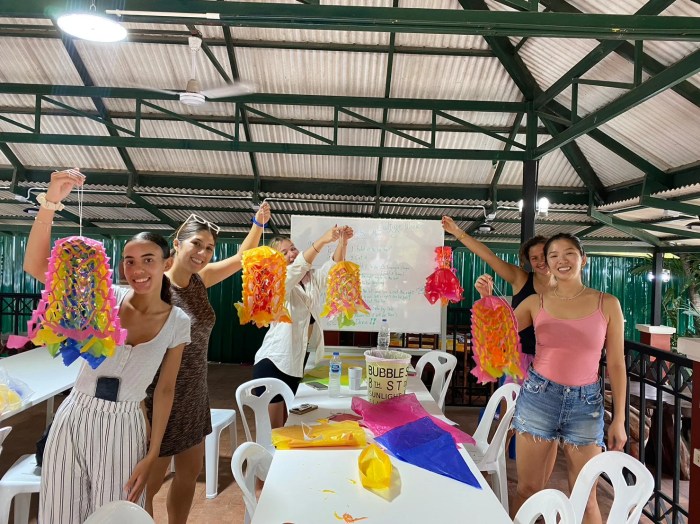
Thorough preparation is crucial for a successful and impactful cultural immersion volunteering experience. Neglecting essential steps can lead to unforeseen challenges and potentially detract from your ability to contribute meaningfully to your chosen project. This section Artikels key pre-departure preparations to ensure a smooth and rewarding journey.
Essential Pre-Departure Steps
Preparing for a cultural immersion volunteer program involves more than just booking flights and packing a bag. It requires proactive planning across several key areas to minimize potential difficulties and maximize your experience. This includes addressing health concerns, navigating visa requirements, and familiarizing yourself with the local culture.
- Vaccinations and Health Consultations: Consult your doctor or a travel clinic well in advance of your departure. Many countries require specific vaccinations, and others may recommend them depending on the region and activities you’ll be undertaking. Discuss necessary medications for common ailments, as well as any potential health risks specific to your destination. For example, malaria prophylaxis might be essential in certain tropical regions.
Don’t forget travel insurance that covers medical emergencies and evacuations.
- Visa Applications: Research visa requirements for your destination country. This process can take several weeks or even months, depending on the country and your nationality. Ensure you apply well in advance to avoid delays that could jeopardize your program participation. Many countries require supporting documentation, such as proof of financial means, a letter of acceptance from your volunteer organization, and a flight itinerary.
- Cultural Sensitivity Training: Participate in any cultural sensitivity training offered by your volunteer organization. Understanding the local customs, traditions, and social norms is vital for respectful interaction and successful integration. This training often covers communication styles, appropriate dress, religious sensitivities, and social etiquette, helping you navigate daily life with greater ease and cultural awareness. For example, learning basic phrases in the local language can greatly enhance your interactions.
Sample Packing List for Cultural Immersion
Packing efficiently and appropriately is key for a smooth experience. Avoid overpacking; focus on versatile, lightweight items suitable for the climate and activities.
- Clothing: Lightweight, breathable clothing suitable for the climate; modest clothing respectful of local customs; comfortable walking shoes; rain gear (if applicable); a light jacket or sweater for cooler evenings.
- Essentials: Passport and visa; travel insurance information; copies of important documents (stored separately); sufficient local currency; basic first-aid kit; insect repellent; sunscreen.
- Personal Items: Toiletries (travel-sized); medications; reusable water bottle; adapter for electrical outlets; journal and pen; camera (optional).
- Optional: A phrasebook or translation app; a small, lightweight backpack for day trips; a book or e-reader for downtime.
Managing Expectations and Adjusting to a New Culture
Adjusting to a new culture takes time and patience. It’s crucial to manage expectations realistically. Understand that culture shock is a normal part of the process and may involve feelings of frustration, confusion, or homesickness.
- Realistic Expectations: Avoid romanticizing the experience. Understand that challenges are likely, and embrace them as opportunities for growth. For instance, communication barriers might initially lead to misunderstandings, but patience and open-mindedness will help you overcome these obstacles.
- Embrace the Unexpected: Be open to new experiences and willing to step outside your comfort zone. Unexpected situations and challenges will inevitably arise, but your adaptability will be key to navigating them successfully.
- Stay Connected (but Mindfully): Maintain contact with family and friends back home to alleviate feelings of isolation, but also prioritize your immersion in the local culture. Finding a balance between connecting with home and engaging fully with your new environment is crucial.
- Seek Support: Don’t hesitate to reach out to your volunteer organization, fellow volunteers, or local community members for support and guidance. A strong support network can greatly ease the adjustment process and provide valuable insights.
Post-Program Reflection and Integration
Returning from a cultural immersion volunteer program marks a significant transition. The experience, rich with new perspectives and challenges, requires thoughtful processing to maximize its impact on your personal and professional growth. Effective reflection and integration strategies are crucial for translating this transformative journey into lasting change.Processing and reflecting on your experience is vital for consolidating the lessons learned and fostering personal growth.
This process goes beyond simply recounting events; it involves critically examining your reactions, understanding your biases, and identifying areas for self-improvement.
Methods for Post-Program Reflection
A structured approach to reflection enhances the effectiveness of the process. Journaling, for example, provides a space to document immediate observations, emotional responses, and evolving perspectives throughout the program and after its conclusion. Regular journaling entries, even short ones, can capture the nuances of the experience more accurately than relying on memory alone. Additionally, engaging in conversations with trusted friends, family, or mentors provides valuable external perspectives and helps to process complex emotions or experiences.
Participating in post-program debriefing sessions, either formally organized by the volunteering organization or informally with fellow volunteers, offers a collaborative space for sharing insights and comparing experiences. These structured reflection methods facilitate a deeper understanding of the cultural immersion experience.
Integrating Learned Skills and Experiences
The skills and experiences gained during a cultural immersion volunteer program are valuable assets, applicable to both personal and professional life. Acquired adaptability, problem-solving skills, and cross-cultural communication abilities are highly sought-after in many professional settings. Highlighting these experiences in resumes and cover letters, providing specific examples of how these skills were developed and applied, can significantly strengthen job applications.
Networking with individuals encountered during the program – fellow volunteers, local community members, or program staff – can open doors to new opportunities and collaborations. For personal growth, the increased self-awareness and resilience gained through overcoming challenges during the program can translate into improved personal relationships and a greater capacity to navigate life’s complexities. For instance, improved communication skills acquired through interacting with individuals from diverse backgrounds can significantly enhance personal interactions.
Maintaining Connections and Continued Contribution
Sustaining connections with the community you served is a powerful way to continue contributing even after returning home. Maintaining regular contact with individuals you befriended through emails, social media, or occasional letters helps preserve the relationships built during your time abroad. Supporting the organization you volunteered with through donations or continued advocacy expands your involvement beyond your personal participation.
Sharing your experiences and raising awareness about the community’s needs within your own social circles can inspire others to get involved and support the cause. Participating in fundraising events or advocacy campaigns related to the community’s challenges can contribute to lasting positive change, even from a distance. For example, a volunteer who worked with a community facing water scarcity could continue to support the organization by raising funds for a new well or advocating for improved water management policies in their home country.
Luxury Travel Comparison
Choosing a luxury travel experience involves careful consideration of personal preferences, desired impact, and budget. While a private island getaway offers ultimate seclusion and pampering, volunteering abroad provides a unique blend of adventure, cultural immersion, and social contribution. This comparison examines several high-end travel options to highlight their differences in cost, experience, and societal impact.This section compares and contrasts volunteer abroad cultural immersion with other luxury travel options, focusing on cost, experience, and impact on local communities.
We will analyze private island vacations, high-end travel accessories, exclusive travel experiences, and luxury train journeys to provide a comprehensive overview.
Private Island Vacations versus Volunteer Abroad Cultural Immersion
Private island vacations prioritize ultimate seclusion and personalized luxury. Expect lavish accommodations, bespoke services, and unparalleled privacy. Costs are significantly higher than volunteer programs, often reaching tens of thousands of dollars per person for a week-long stay. The impact on local communities is typically minimal, focusing primarily on employing resort staff. In contrast, volunteer abroad programs offer a more immersive, budget-conscious (depending on the program) experience, fostering meaningful interactions with local communities and contributing directly to local projects.
While accommodations may be simpler, the transformative experience and positive social impact are significant differentiators.
High-End Travel Accessories versus Volunteer Abroad Cultural Immersion
High-end travel accessories, such as luxury luggage, high-tech gadgets, and designer clothing, enhance the comfort and style of any journey, regardless of the destination. These items represent a significant investment, with costs varying widely depending on brands and items. The impact on local communities is generally negligible, unless purchased from artisans or ethically sourced brands. Volunteer abroad programs, on the other hand, prioritize personal growth and community contribution over material possessions.
The focus is on the experience and its social impact, rather than the acquisition of luxury goods.
Exclusive Travel Experiences versus Volunteer Abroad Cultural Immersion
Exclusive travel experiences, such as private jet tours or bespoke itineraries to remote locations, provide access to unique destinations and unparalleled levels of service. Costs can be exorbitant, often exceeding those of private island vacations. The environmental impact can be significant, depending on the mode of transportation and activities involved. The social impact is usually minimal, unless the experience is specifically designed to benefit local communities.
Volunteer abroad programs offer a more sustainable and impactful alternative, promoting responsible tourism and direct engagement with local communities.
Luxury Train Journeys versus Volunteer Abroad Cultural Immersion
Luxury train journeys offer a luxurious and scenic way to travel, with comfortable accommodations, fine dining, and stunning views. Costs are substantial, ranging from hundreds to thousands of dollars per person, depending on the route and duration. The environmental impact is relatively lower compared to air travel but still significant. The social impact is generally limited to the employment of train staff.
Volunteer abroad programs, in contrast, are characterized by a direct and tangible contribution to local communities, offering a more meaningful and sustainable travel experience.
Unique Aspects and Target Audience
The following table summarizes the unique aspects and target audience for each travel style:
| Travel Style | Unique Aspects | Target Audience |
|---|---|---|
| Private Island Vacations | Ultimate seclusion, personalized luxury, unparalleled privacy. | High-net-worth individuals seeking ultimate relaxation and privacy. |
| High-End Travel Accessories | Enhanced comfort and style during travel. | Discerning travelers who value quality and convenience. |
| Exclusive Travel Experiences | Access to unique destinations and unparalleled service. | Affluent travelers seeking unique and memorable experiences. |
| Luxury Train Journeys | Scenic travel with comfortable accommodations and fine dining. | Travelers who appreciate luxury and scenic routes. |
| Volunteer Abroad Cultural Immersion | Meaningful contribution to local communities, cultural immersion, personal growth. | Individuals seeking a transformative experience and wanting to make a positive impact. |
Illustrating Cultural Immersion Experiences

Volunteering abroad offers unparalleled opportunities to immerse oneself in new cultures, going beyond simple observation to active participation and genuine interaction. These experiences, rich in sensory detail and emotional depth, leave lasting impressions and foster a deeper understanding of the world. The following examples highlight the diverse ways cultural immersion can manifest during a volunteer program.
A Traditional Dance Performance
Imagine a vibrant scene: the sun dips below the horizon, casting long shadows across a bustling village square in rural Nepal. The air is thick with the scent of incense and woodsmoke, mingling with the earthy aroma of freshly tilled soil. The rhythmic beat of drums, punctuated by the shrill cry of a flute, fills the air, creating a hypnotic pulse.
Around you, villagers in brightly colored traditional clothing are clapping along, their faces illuminated by flickering candlelight. You, a volunteer assisting with a local children’s arts program, find yourself swept up in the energy of the performance. A young girl, her eyes sparkling with excitement, spins and leaps, her vibrant red dress swirling around her like fire.
The rough texture of the earth beneath your feet grounds you as you feel the vibrations of the music in your chest. You taste the sweetness of a local delicacy offered by a smiling woman nearby – a small, spiced pastry that crumbles delightfully in your mouth. The sight, sound, smell, taste, and texture combine to create an unforgettable experience, a sensory tapestry woven with the threads of Nepali culture.
The Significance of a Handwoven Textile
During a volunteer project in Guatemala, you encounter a remarkable handwoven textile, a vibrant huipil (traditional blouse) belonging to a local woman. The intricate design, a complex tapestry of symbols and colors, tells a story. Each motif, painstakingly woven into the fabric, represents aspects of Mayan cosmology, history, and daily life. The woman explains that the huipil is not merely clothing but a tangible link to her ancestors, a representation of her identity and heritage.
The texture of the fabric, coarse yet soft, speaks of the countless hours spent weaving it, a testament to the skill and dedication passed down through generations. The deep indigo dye, obtained from natural sources, tells of a connection to the land and its resources. This artifact is more than a beautiful piece of clothing; it is a living archive, a silent testament to a rich and enduring culture.
An Unforgettable Encounter
While working at a community garden in rural Tanzania, you strike up a conversation with Mama Salome, an elderly woman who is a pillar of the community. She shares stories of her life, her voice filled with both hardship and resilience. You listen, captivated by her wisdom and strength. Despite the language barrier, you connect through shared smiles, gestures, and the common language of hard work and shared purpose in the garden.
She offers you a piece of freshly picked mango, its sweet juice dripping down your chin. The simple act of sharing this fruit transcends cultural differences, creating a bond of shared humanity. This interaction leaves a profound impact on you, highlighting the power of human connection and the universality of shared experiences. The warmth of her smile, the kindness in her eyes, and the shared moment of simple generosity stay with you long after you leave Tanzania.
Ultimately, engaging in volunteer abroad cultural immersion provides an unparalleled opportunity for personal and professional development, fostering empathy, cross-cultural understanding, and a deeper appreciation for global interconnectedness. While challenges exist, the rewards – both for the volunteer and the community served – far outweigh the difficulties. By carefully researching programs, preparing thoroughly, and approaching the experience with an open mind and willingness to learn, individuals can embark on a transformative journey that leaves a lasting positive impact on their lives and the lives of others.
Popular Questions: Volunteer Abroad Cultural Immersion
What visa requirements should I expect?
Visa requirements vary greatly depending on your nationality and the country you’re volunteering in. It’s crucial to research the specific visa needs well in advance of your departure, often involving applications several months prior.
How do I ensure the safety and security of my belongings while volunteering?
Prioritize travel insurance that covers medical emergencies, lost luggage, and potential theft. Be mindful of your surroundings, avoid displaying expensive items, and follow the local safety guidelines provided by your program or local authorities.
What if I experience culture shock or homesickness?
Culture shock is common. Maintain open communication with your program coordinator and family/friends back home. Allow yourself time to adjust, engage in self-care activities, and utilize the support systems provided by your program.
Are there opportunities for continued involvement after the program ends?
Many programs facilitate ongoing connections with the community and offer opportunities for long-term support or future collaborations. Explore these options during your program to see how you can continue contributing after your return.


